“You make me feel so fi….i….ine…..”
In reality, it’s not just the red wine, but also the white and rosé…………that make me feel so fi….i…..ine…..
You may recall that in addition to learning to speak french, exploring the area, and trying the restaurants, one of my goals for this trip was to learn about the wine regions and taste the wines here in France. I am happy to say that I am making good progress! I haven’t tried all of them, but I have made some serious headway. And, I’m happy to report that I haven’t had a bad one, yet! Are you surprised?!

In honor of my success in this area, I thought I would dedicate one post to my wine explorations to date. Some of them have been pretty interesting. I’m planning to do some more tasting, and I’ll be sure to fill you in. But, for now, here’s the skinny on the wines of provence and beyond…..
I mentioned in another post that the school where I have been taking the french classes has been very good about helping us to understand not only the french language, but the french culture as well. That includes wine. On about the third week of the french classes, I signed up at the school for an overview class on french wines. It was done, en Français, by a “caviste” here in Aix. As I understood it, the french “caviste” is someone who has a wine shop and sells many different kinds of wine…..an expert on wines of a region, country or just in general. This particular person was an expert on the wines of France. He did a very nice overview of the major wine regions of France and then had us taste some wines from some of the areas. It reminded me of the training that my friend Tony does with the staff at Adelaida. It was a good way to start my wine exploration here and gain a better understanding of how to speak the “language” of wine tasting here in France.
I also mentioned in another post that my pastor friend from Holland told the instructor that I worked at a winery, so he directed a lot of the questions to me, which was fun for me…..not so much for him….and, also validating for me. I knew most of the answers…not all. The next day, my friend from Holland let me know that he thought it was interesting that I was the only woman in the group, but I knew the most about the wine. What do you think he found interesting about that, do you think?!
We tasted some very interesting wines, one from a region that I wasn’t familiar with, the Jurancon wine region. It’s located in the Pyrenees in the South West part of France. They are famous for producing a sweet white wine with a grape named “manseng”. I had never heard of it. It reminded me a little bit of a sherry….somewhere between a Fino and something sweeter. It was interesting to try, but not my favorite. My favorites were actually some that I wasn’t expecting.
The first was a Sauvignon Blanc from Sancerre that I thought was very good. When I visited Sancerre a few years ago, I wasn’t as excited about the wines as I thought I would be. The whites I tried seemed to have a strong mineral quality that overpowered the fruit flavors of the juices. This one had some mineral qualities, too, but it was light, had very good acidity and had flavors of citrus, especially grapefruit. It was very well balanced. I really enjoyed it. At the end of the class there was some left and……..you guessed it, I took the remains home!
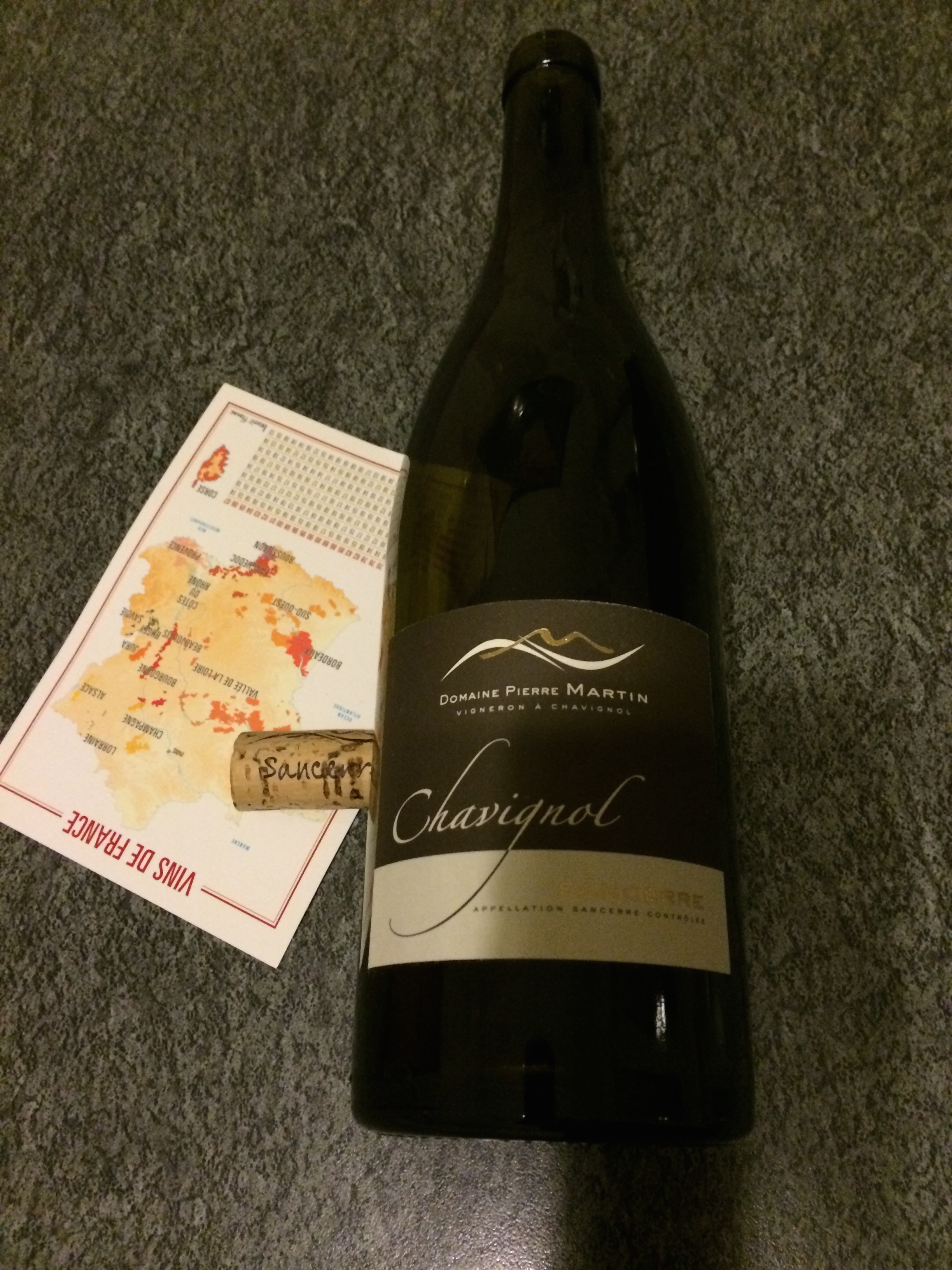
The other wine I was quite impressed with was a Gamay from Beaujolais, also one that I don’t often like. This one reminded me a great deal of a Pinot, with light fruit with a lovely cherry flavor and a little bit of spice…..very nice.
The others were also good, but I thought these were outstanding….and surprising.
My next experience was in Les Baux this past weekend. There are two wineries in Les Baux, Mas de la Dame and Mas Sainte Berthe. I visited both. At each winery, I learned that the primary wine of the region is the rosé followed by the white and then the reds. The rosé is usually made with grenache and something else like mourverdre, syrah, cinsault, counoise, etc……a very similar mix to what Adelaida and many others in the Paso Robles wine region produce.

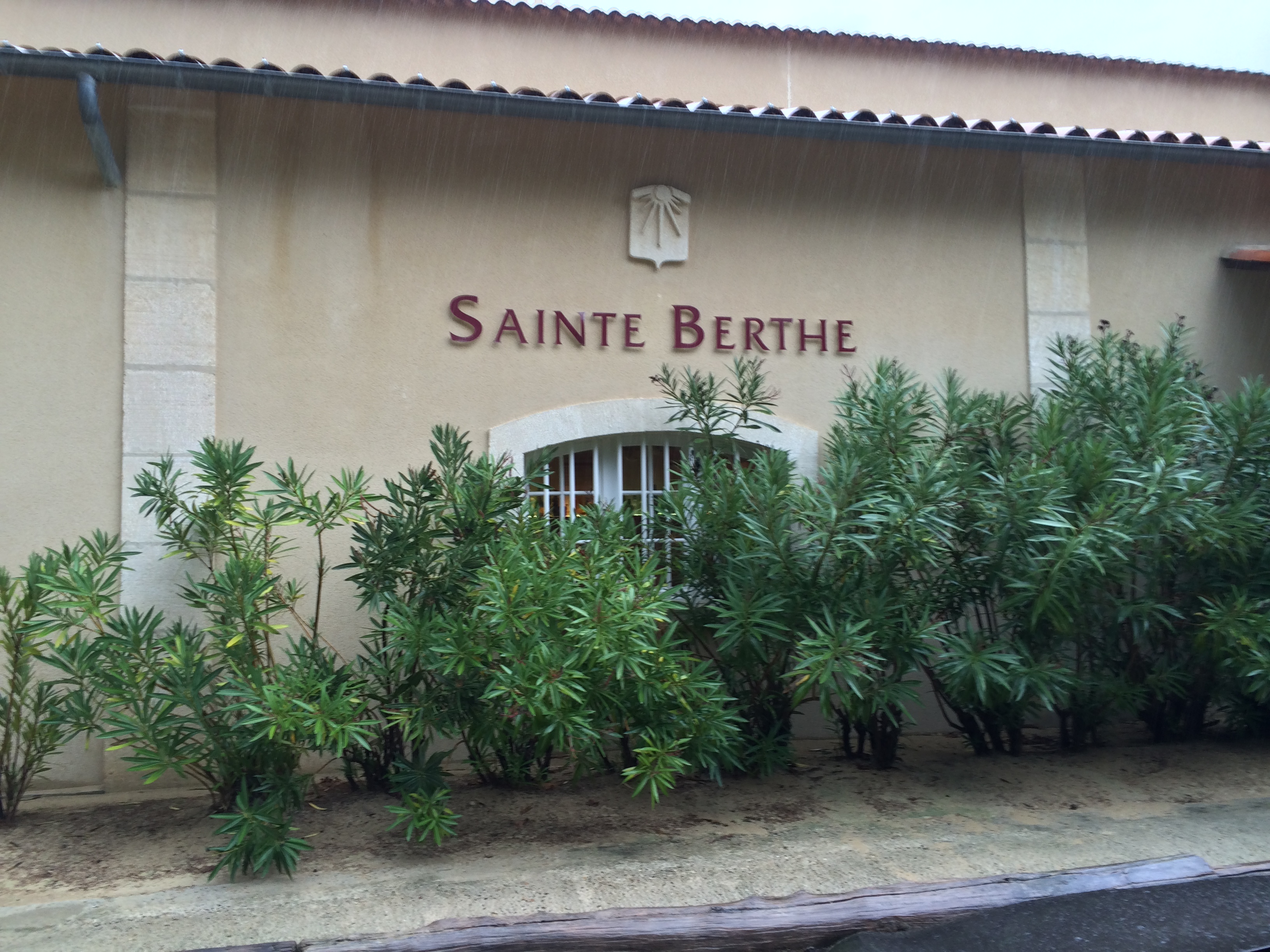


The whites were a little different with many varietals that I wasn’t as familiar with like Rolle (Vermentino), Clairette, and Uni-Blanc. Again, interesting, but not my favorite. They seemed to me to have very little nose and very little fruit. They were quite dry and much heavier than we are used to drinking.
The reds were very similar to the mix we have in Paso Robles. They were mostly Rhone varietals like Syrah, Mouvedre and Grenache and occasionally some Cabernet in the mix. I liked most of them, however, many were very young and tannic, still needing some aging. My favorites in the category of young and tannic and ready to drink now were found at Mas de la Dame.
I had some very interesting discussions with the tasting room staff at each location. I, of course, talked about my work at Adelaida. The person at Mas de la Dame was quite interested in my thoughts about the wine and took my contact information so that the owner could be in touch with me. She thought I have more power than I do. Not so, but it made my visit much more interesting.
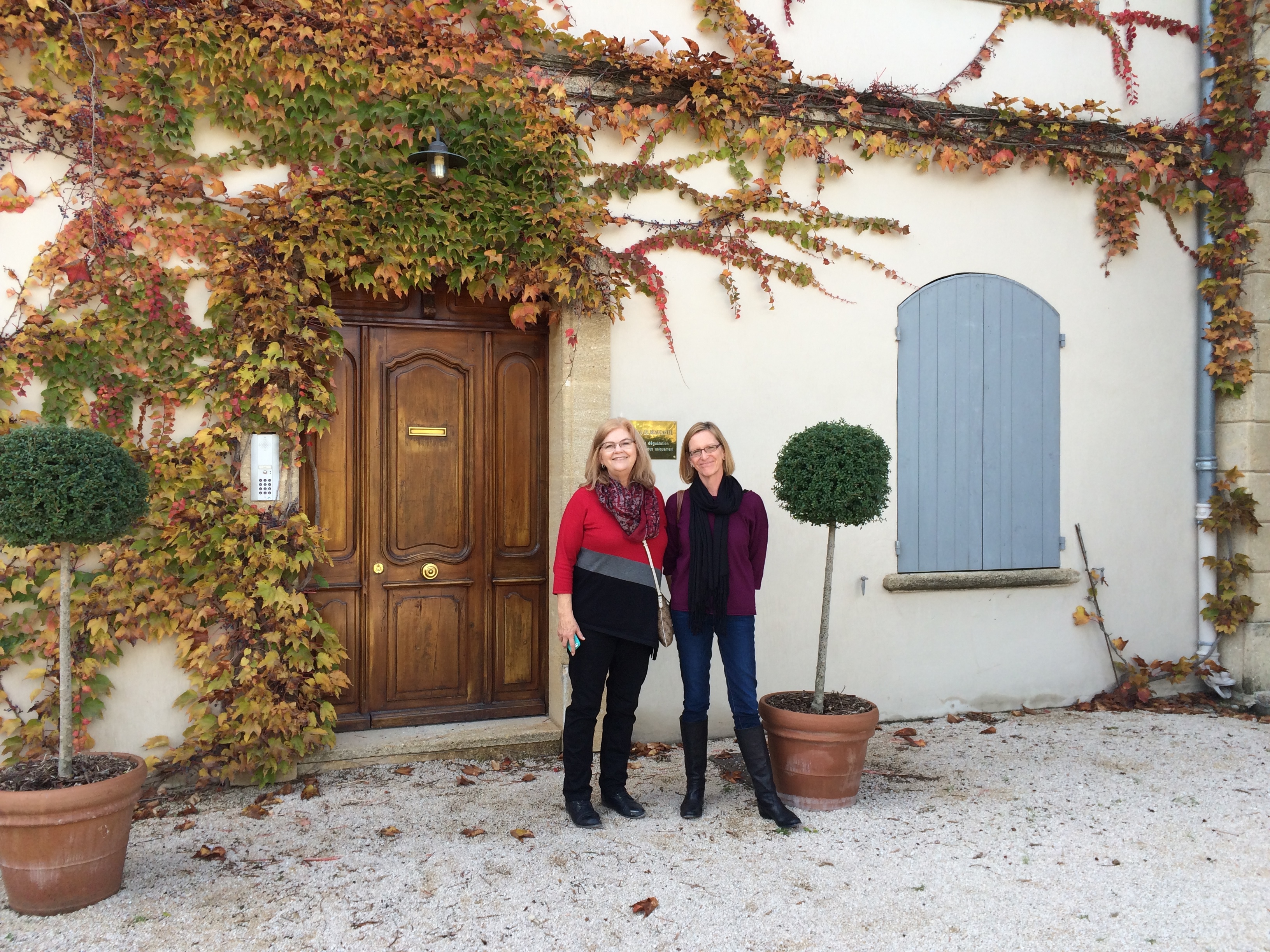
On Monday of last week, I met my friend from Adelaida and her friend, now my new friend as well, in Avignon. We had two outstanding wine tasting experiences in Chateauneuf de Pape. I’m sure I mentioned this, but before I started on this great adventure, I consulted with a contact at Tablas Creek Winery, up the road from Adelaida, where I work. They have a partnership with Beaucastel in Chateauneuf de Pape, one of the oldest and most prestigious wine producers in the Chateauneuf de Pape region My contact helped me to set up an appointment with a representative from Beaucastel. We met with Kirsty, who graciously gave us a tour of their vineyards and caves and provided us with an outstanding tasting. Kirsty helped me to set up an appointment at Vieux Telegraph, another well known producer in the area. There, we also had an outstanding tasting and tour conducted by Johan, one of the production staff.


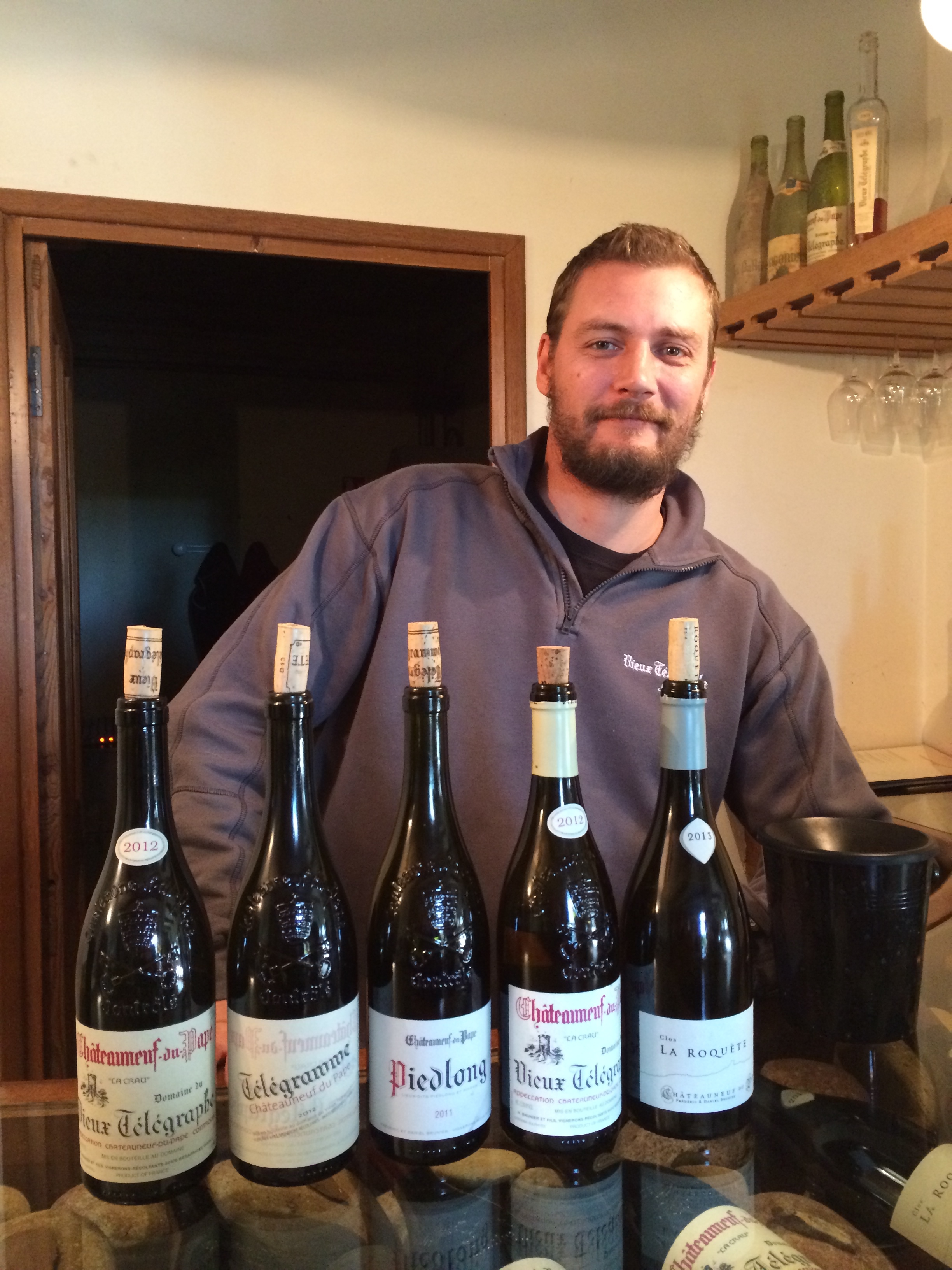
At both wineries, we had red and white blends that were outstanding. Several of them reminded us of the “Version” red that we make at Adelaida. YUM!
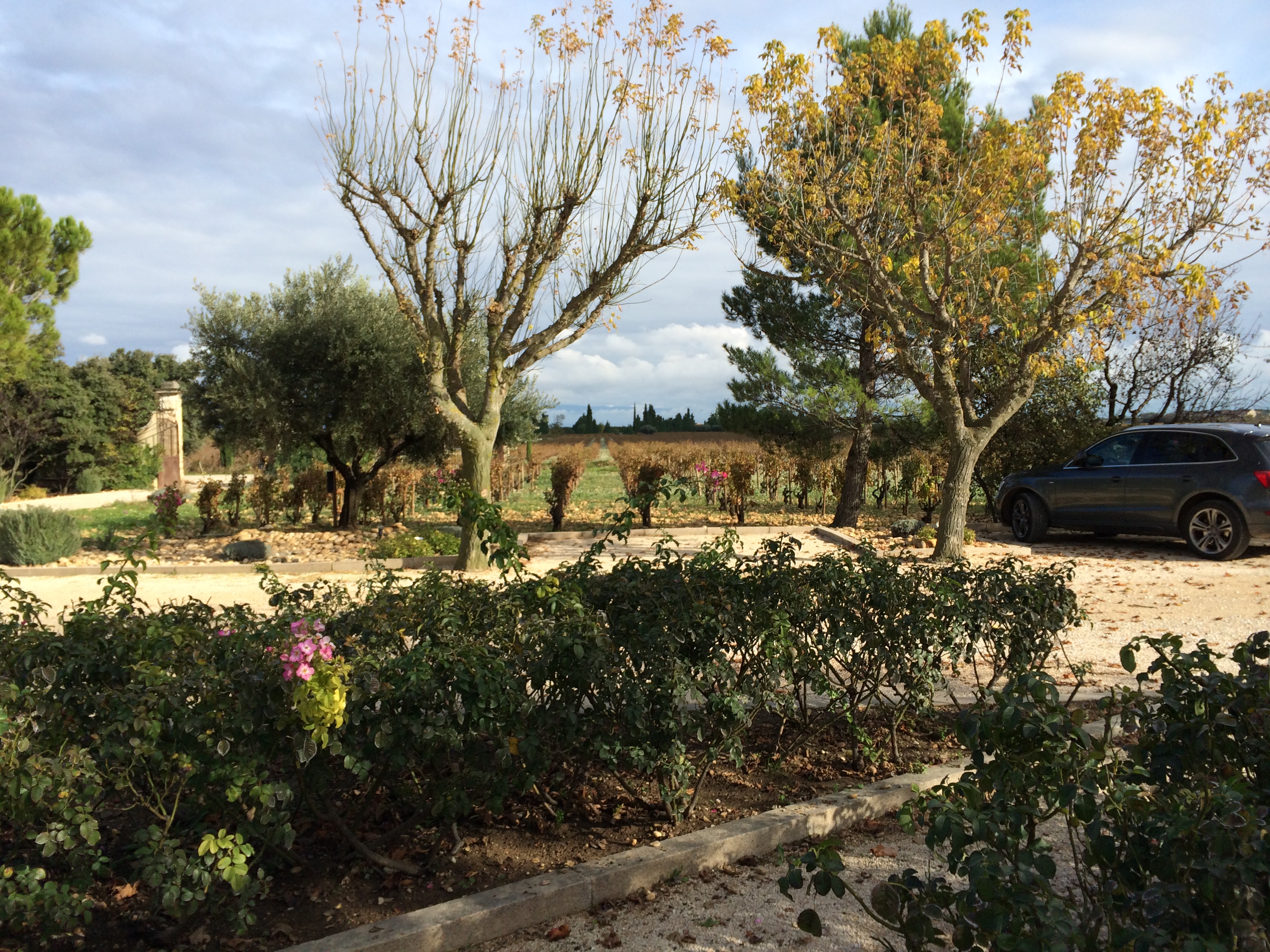
France has about a million very strict rules about their wines and Chateauneuf de Pape is not different. There are thirteen grape varietals that can be used in a wine from this region. Many of them are grapes that we know and love in Paso Robles, such as grenache, mourvedre, syrah, rousanne, viognier, etc. I’m guessing that among all of the wineries in Paso Robles, one could find all thirteen of the “approved” Chateauneuf de Pape grapes. Also notable is that only the juice from grapes grown in this region can be called Chateauneuf de Pape….very rigid. This is, in part, why the wines from this region are so expensive. Both wineries grow all thirteen varietals and use them all in their wines. At both locations, we also talked about the age of the vines. Both producers have some vines that are 80-100 years old. The yield of grapes is small, but the quality of the juice that is produced is quite special.
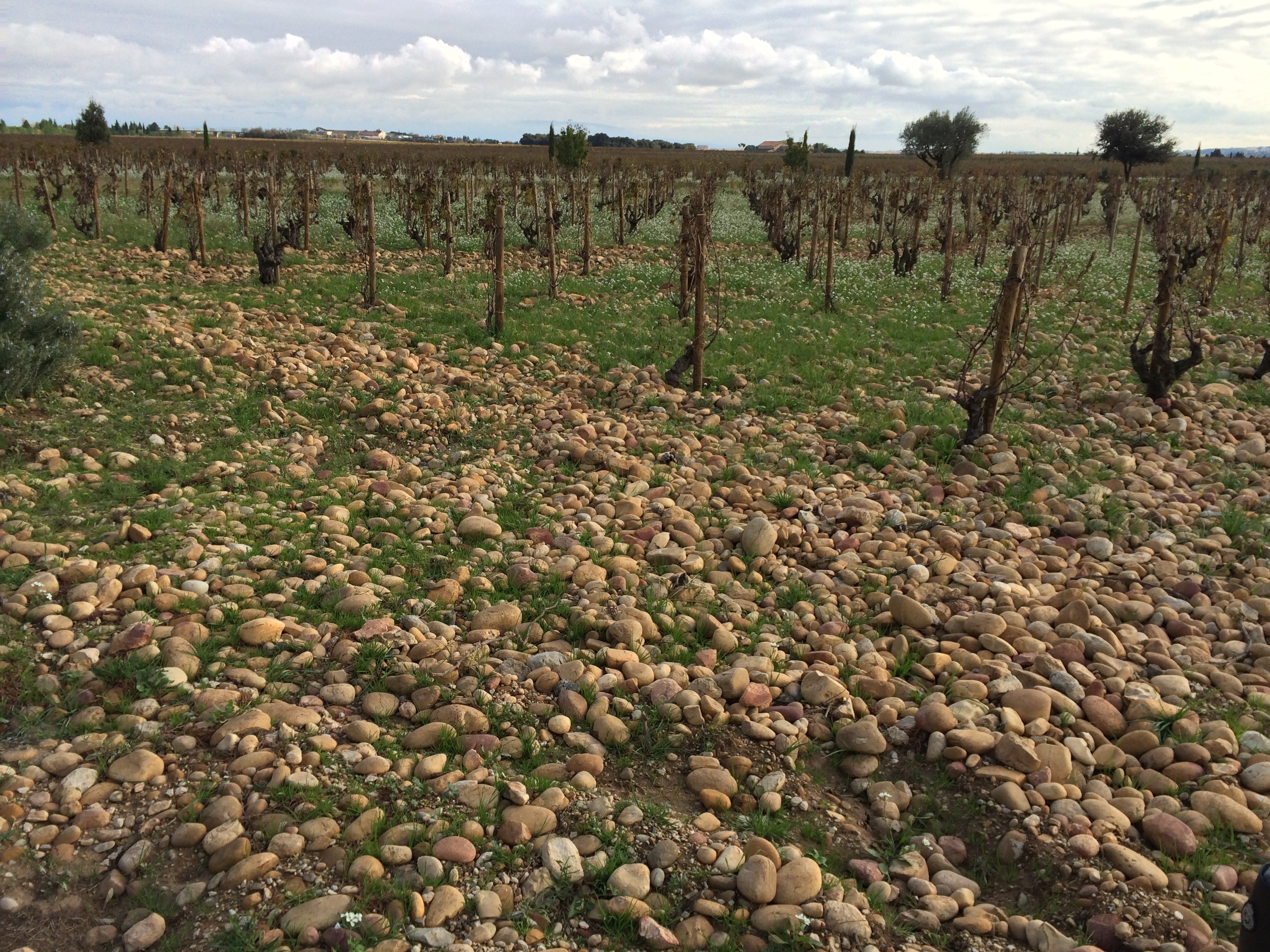
The “terroir” in this region is in some ways quite different from other areas I have visited. The make up of the soil itself is similar to what we find in our area of California. There is a lot of marine influence. In fact, Johan told us that the land where the tasting room and production facilities now stand were once under water. The soils have some shells mixed in and have limestone qualities like we have. We looked at some exposed walls in the area where some of the wine was stored and found lots of evidence of this. On the top, scattered around the vines were rocks. These were placed there in order to absorb some of the heat from the warm provencal climate. It is effective, but makes for difficult harvesting. Everything is done by hand for quality purposes, but also because it would to be possible to bring a machine through the top rock. Very interesting.
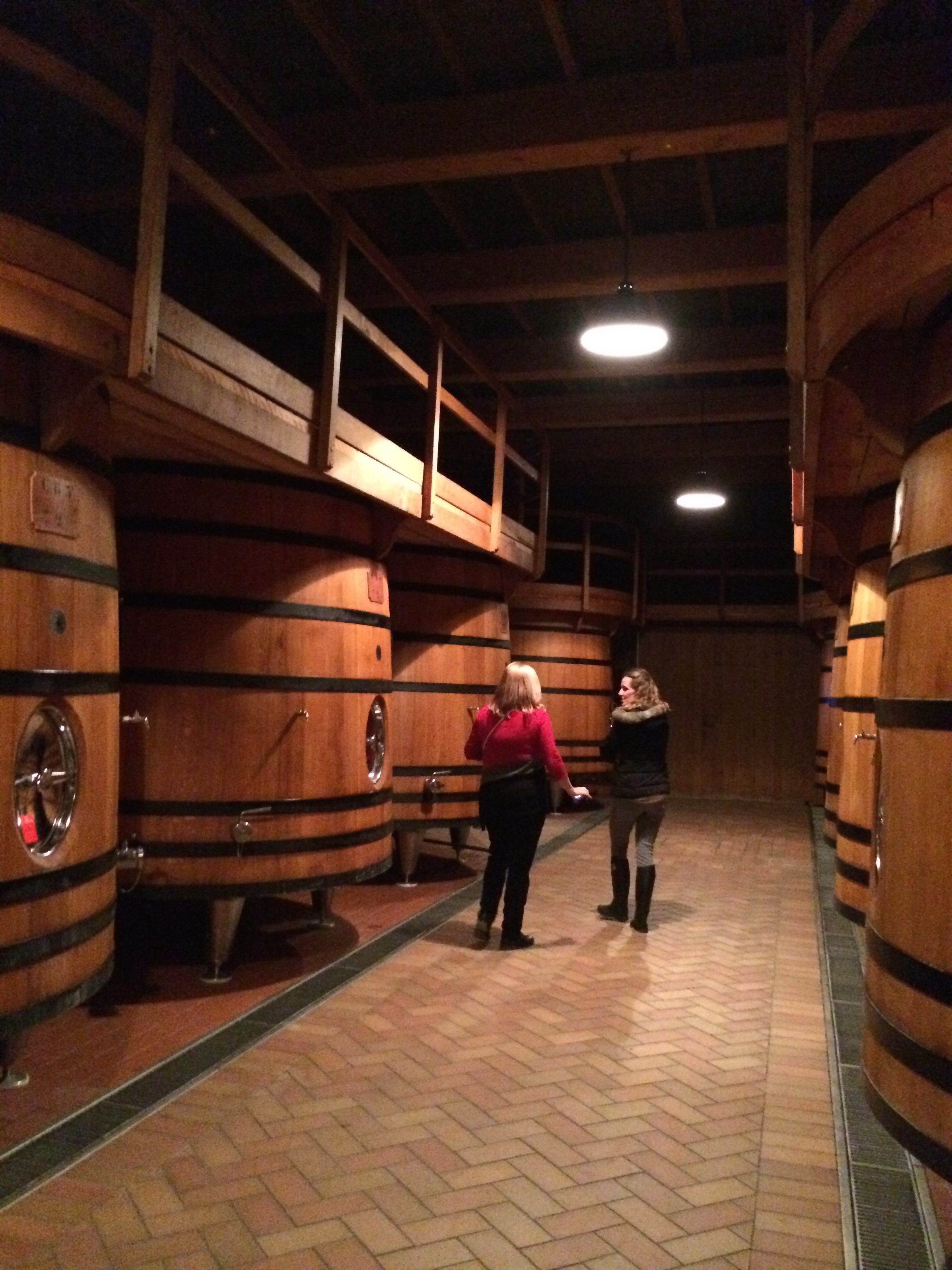
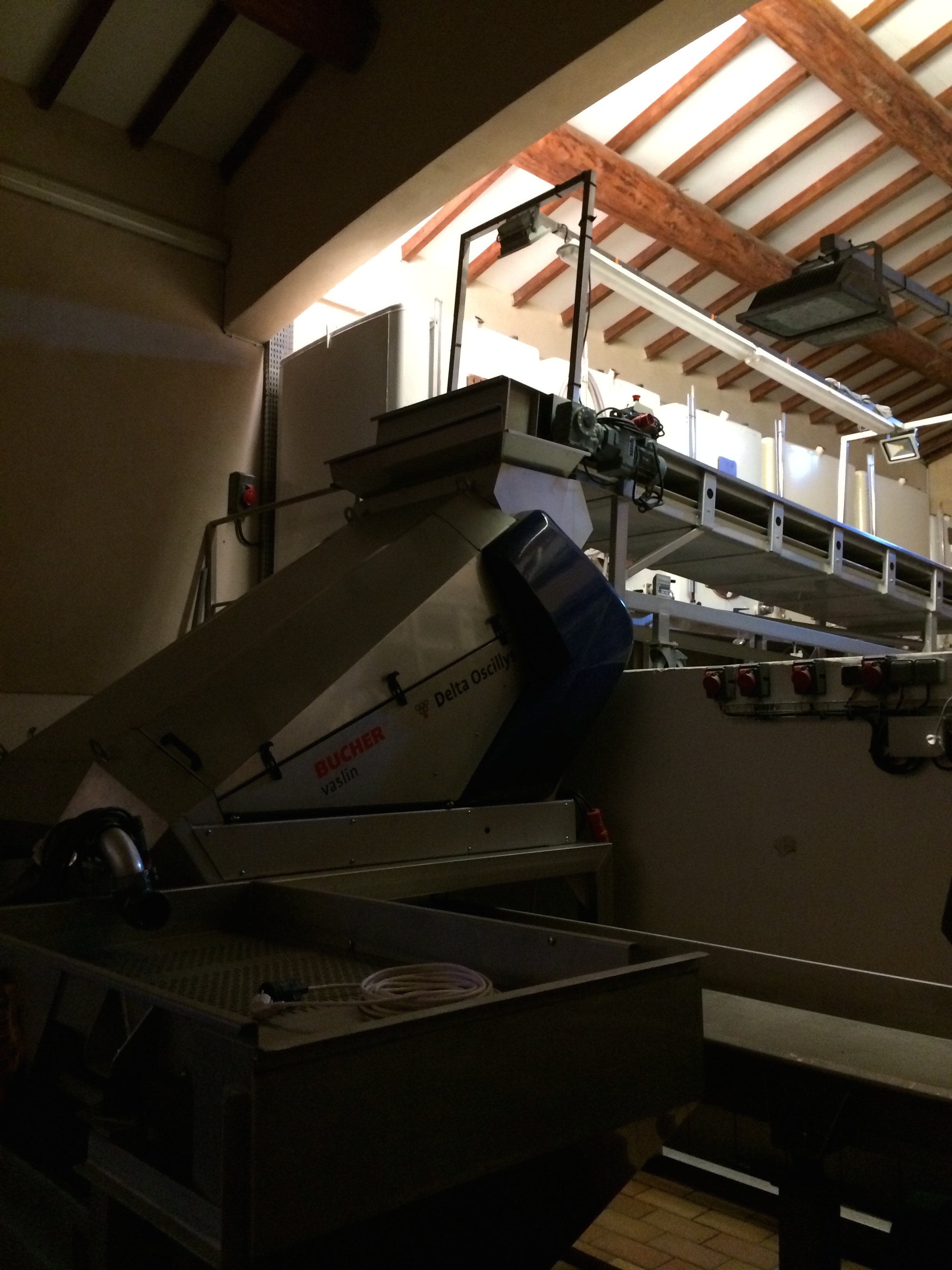
The production areas were quite similar to what we have at Adelaida. We were, of course, there after harvest so there was no production going on. But, both Kirsty and Johan walked us through the process from harvest to bottling. Nothing new here.
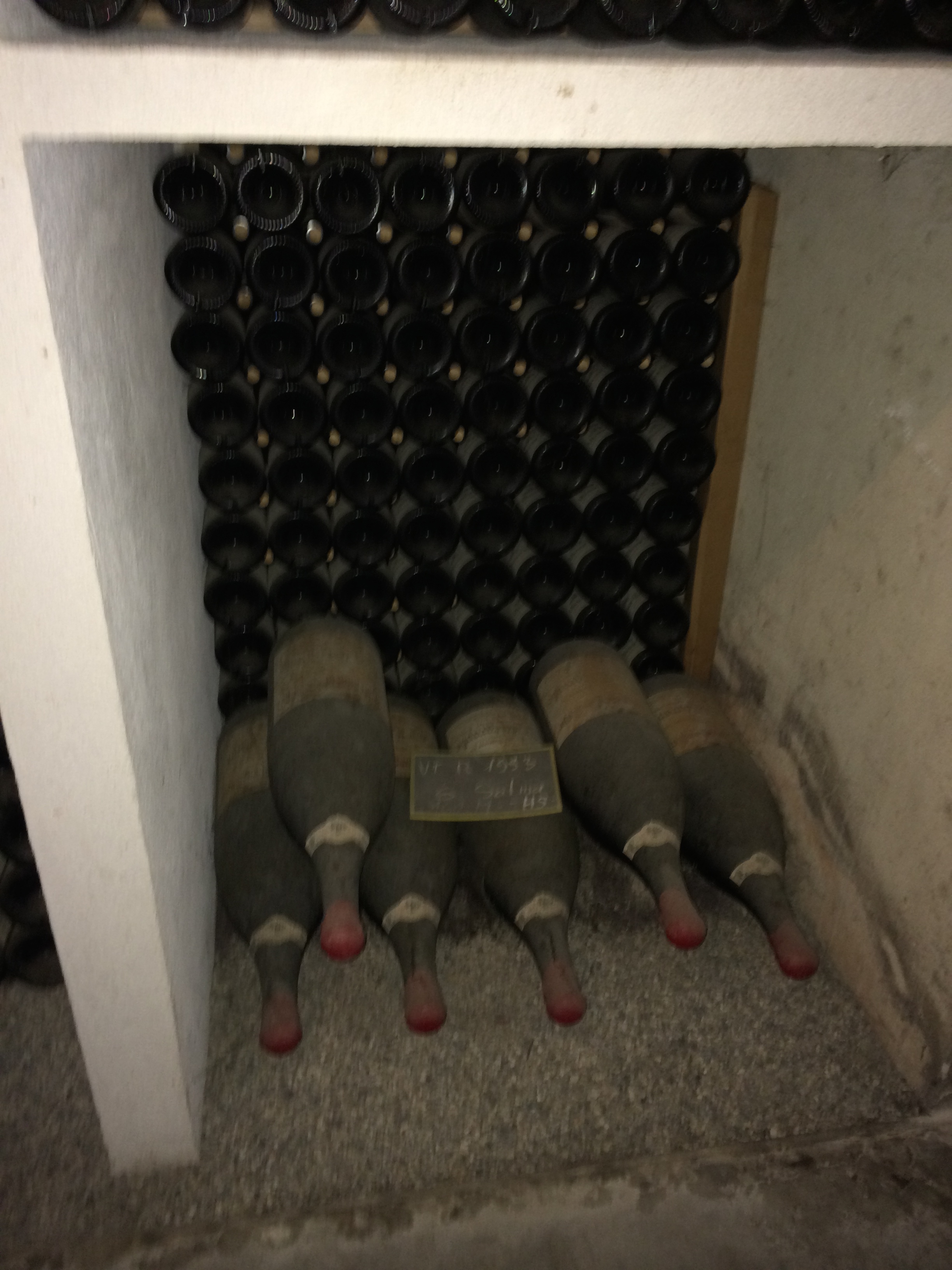
Both wineries have extensive cellars where older wines are stored. They are stacked one on top of the other in rows. They made an interesting design. We noted and talked to the tour guides about the fact that we could never store bottles of wine in that way because of the earthquakes. It was quite something to see. At Vieux Telegraph, we saw some old bottles in the “Balthazar” size, the next to largest size of wine bottle holding the equivalent of 16 regular sized bottles. This was a first for me! Fun times!


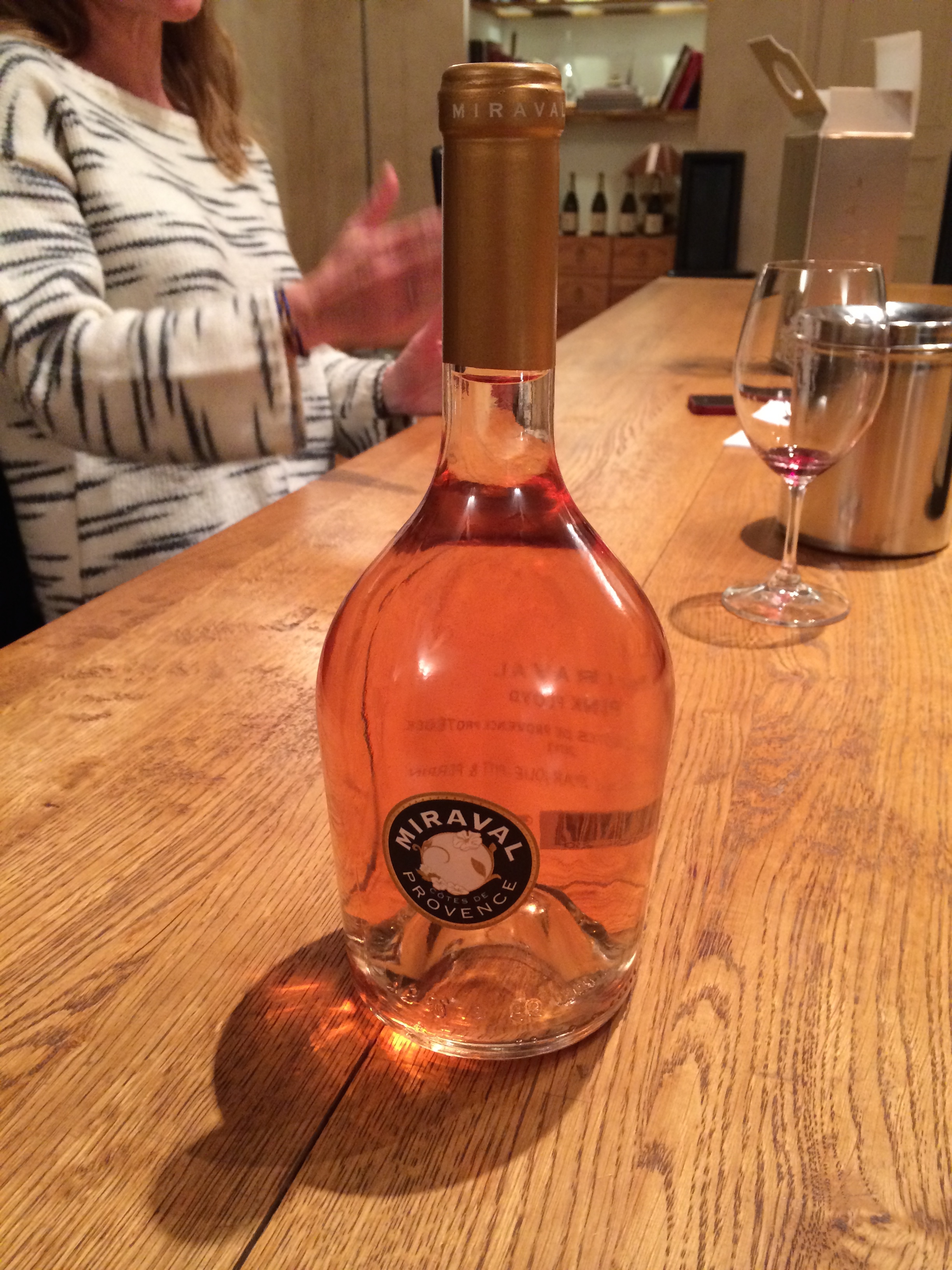
At Beaucastel, we talked about the “Brangelina” brand of wine, Miraval. Beaucastel also has a distribution company which I had investigated before my visit as well. I noticed this brand in the line up of wines that they handle. We learned that not only do they handle the brand, they also make the wine. It was quite surprising to learn this. The grapes are grown in another location, but the wine is made there. How about that!
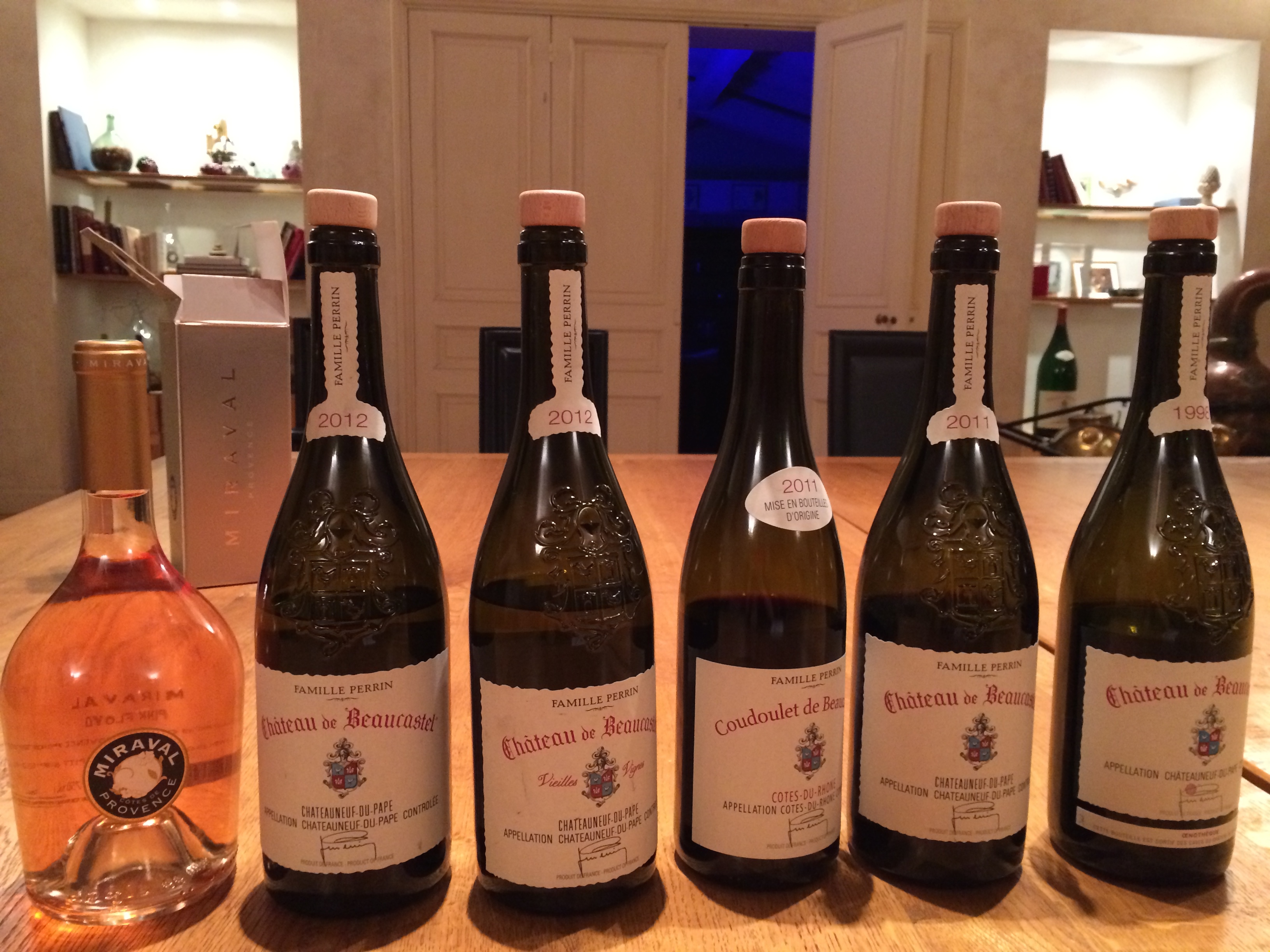
All in all, our tour of Chateauneuf de Pape was quite interesting and the wines were outstanding. We loved them all! And, I will throw in as well that at Vieux Telegraph, there were no english speakers. I was able to talk to Johan in French and translate for my traveling companions. We were all impressed by that! I’m not sure I could do it again, but it was quite an experience.
All in all, I have had a wonderful and educational time working my way from one winery to the next here in France. I’m not sure when the next adventure in wine will be, but I’ll be sure to keep you posted.
santé! (to your health)



 Travel With Betsy